
Hippie Clothing
Hippie Clothes for Men: The Complete Himalayan-Inspired Guide to Bohemian Style
Dec
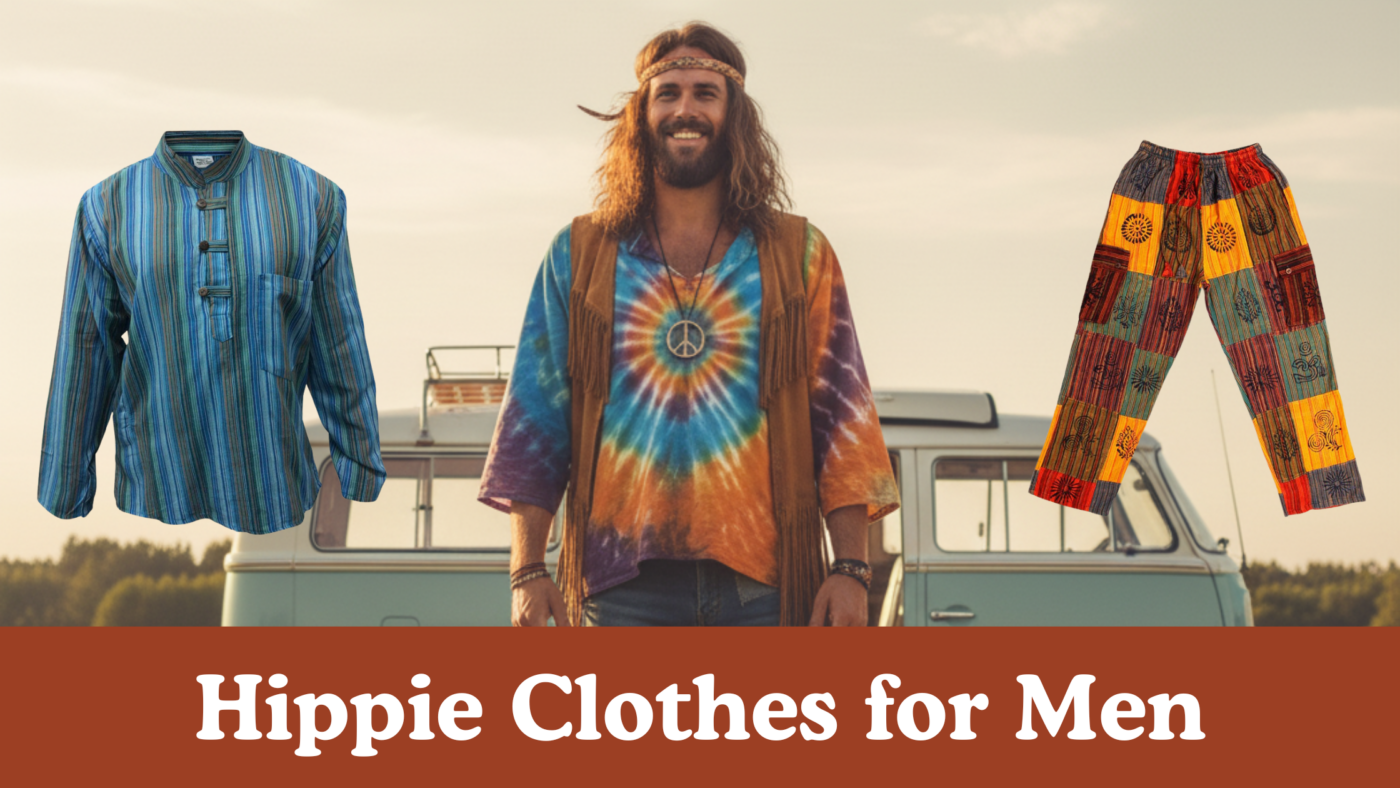
Hippie fashion for men has made a massive comeback in recent years, not just as a retro trend but as a lifestyle movement rooted in sustainability, comfort, creative freedom, and cultural connection. What started in the 1960s as an anti-consumerist movement has now evolved into a global fashion identity that emphasizes natural fabrics, handmade artistry, ethnic prints, and individuality.
For those who love authentic bohemian style, Nepal stands out as one of the world’s most genuine sources for handmade hippie clothing. Through platforms like Clothing in Nepal, customers across the globe can access ethically crafted, eco-friendly, artisan-made hippie garments that represent Himalayan heritage and modern boho aesthetic at the same time.
This in-depth guide covers everything you need to know about men’s hippie clothing, from history and origins to detailed garment types, styling tips, sustainability benefits, and why Nepal is such an important producer of boho fashion.
1. The Roots of Hippie Fashion: A Lifestyle, Not Just a Look
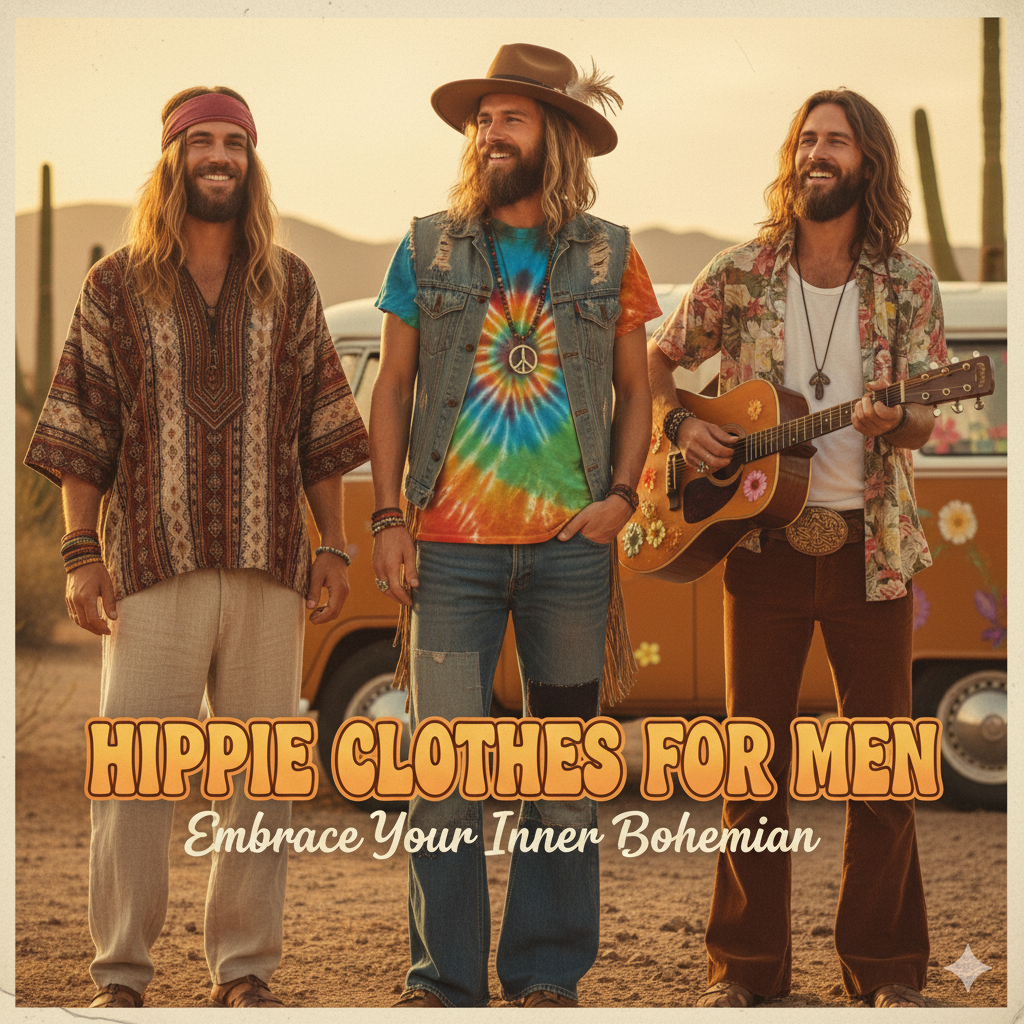
Hippie style emerged during the 1960s counterculture movement when young people pushed back against rigid societal norms, formal fashion, and mass-produced consumer goods. Clothing became a form of personal expression and spiritual exploration.
Key influences included:
• Eastern cultures (Nepal, India, Tibet, Thailand)
Travelers from the West were deeply inspired by Eastern spirituality, meditation, yoga, Buddhist values, and handmade textiles found in Himalayan regions. Many returned home wearing Nepali cotton shirts, Tibetan jackets, hemp bags, handmade jewelry, and patchwork clothing, launching the global “hippie clothing” movement.
• Natural, eco-friendly lifestyle
Hippies rejected artificial textiles and embraced natural fibers such as cotton, hemp, wool, and linen. This preference still defines bohemian fashion today.
• Art, music, and self-expression
The movement celebrated individuality through patterns, hand-dyed fabrics, ethnic prints, mandalas, patchwork, and freeform designs.
• Freedom and minimalism
Loose fits and breathable fabrics symbolized freedom of movement and freedom of thought.
Today’s modern hippie clothing continues this tradition, especially the garments made in Nepal, where artisans have preserved ancient weaving and hand-dyeing methods.
2. Why Nepal Is a Global Hub for Men’s Hippie Clothing
Nepal is not just a producer of hippie clothing, it is one of the birthplaces of modern boho fashion. Clothing in Nepal represents this heritage by offering handcrafted, ethically sourced garments made by local artisans.
Here’s why Nepal stands out:
2.1 Rich Textile Heritage
Nepal has generations of skilled weavers, dyers, and tailors who specialize in handmade cotton, hemp, wool, and patchwork fabrics. Their knowledge results in unique, durable, and culturally rich garments.
2.2 Natural Himalayan Materials
Nepali hippie clothing often uses:
-
Handwoven cotton
-
Hemp fabric from Himalayan regions
-
Wool from mountain villages
-
Eco-friendly natural dyes
These materials are breathable, skin-friendly, long-lasting, and sustainable.
2.3 Ethical Artisan Production
Many Nepali garments are crafted in small family workshops or local cottage industries. Buying handmade clothing supports:
-
Fair wages
-
Local communities
-
Traditional craftsmanship
2.4 Unique Bohemian Aesthetic
Nepali hippie fashion blends:
-
Patchwork
-
Tie-dye
-
Ethnic motifs
-
Tibetan patterns
-
Mandala and tribal designs
-
Raw-cut artisanal finishing
This gives each garment a personality of its own, something mass-produced clothing can never achieve.
2.5 Perfect for Global Buyers
Whether customers want clothes for yoga, festivals, travel, meditation, or everyday comfort, Nepal’s artisan-made hippie clothes deliver authenticity and value.
3. Types of Men’s Hippie Clothes (Inspired by Clothinginnepal.com)
Here is an expanded breakdown of all major categories of men’s hippie clothing, with deeper details and examples based on styles commonly sold on your website.
3.1 Hippie Shirts for Men
Shirts are the foundation of any boho wardrobe.
Cotton Hippie Shirts
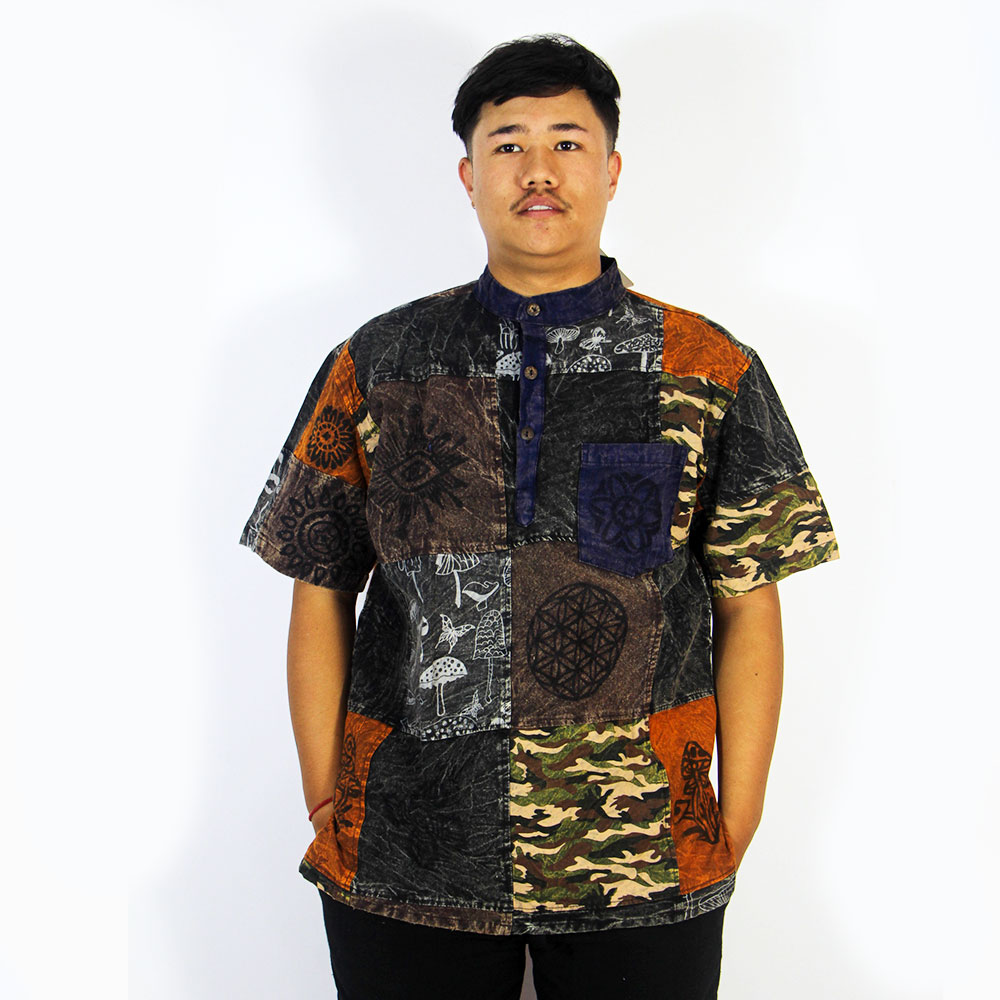
Handmade Hippie Patchwork Cotton Shirt – Boho Festival Wear from Nepal
Made from soft, breathable Nepalese cotton, these shirts:
-
Are perfect for hot climates
-
Offer maximum comfort
-
Come in solid, striped, or patterned fabrics
-
Feature wooden buttons, mandarin collars, or ethnic trims
Patchwork Shirts
These shirts combine multiple fabric patches into one garment:
-
Vibrant, eye-catching designs
-
100% handmade
-
Each piece is unique
-
Perfect for festivals or travel
Tie-Dye Shirts
A signature hippie staple:
-
Easily recognizable
-
Spirals, sunbursts, rainbow patterns
-
Symbol of freedom and expression
Mandarin Collar / Kurta Style Shirts
Inspired by South Asian and Himalayan culture:
-
Loose fitting
-
Spiritual and minimalistic
-
Great for yoga, meditation, and casual wear
3.2 Hippie Pants for Men
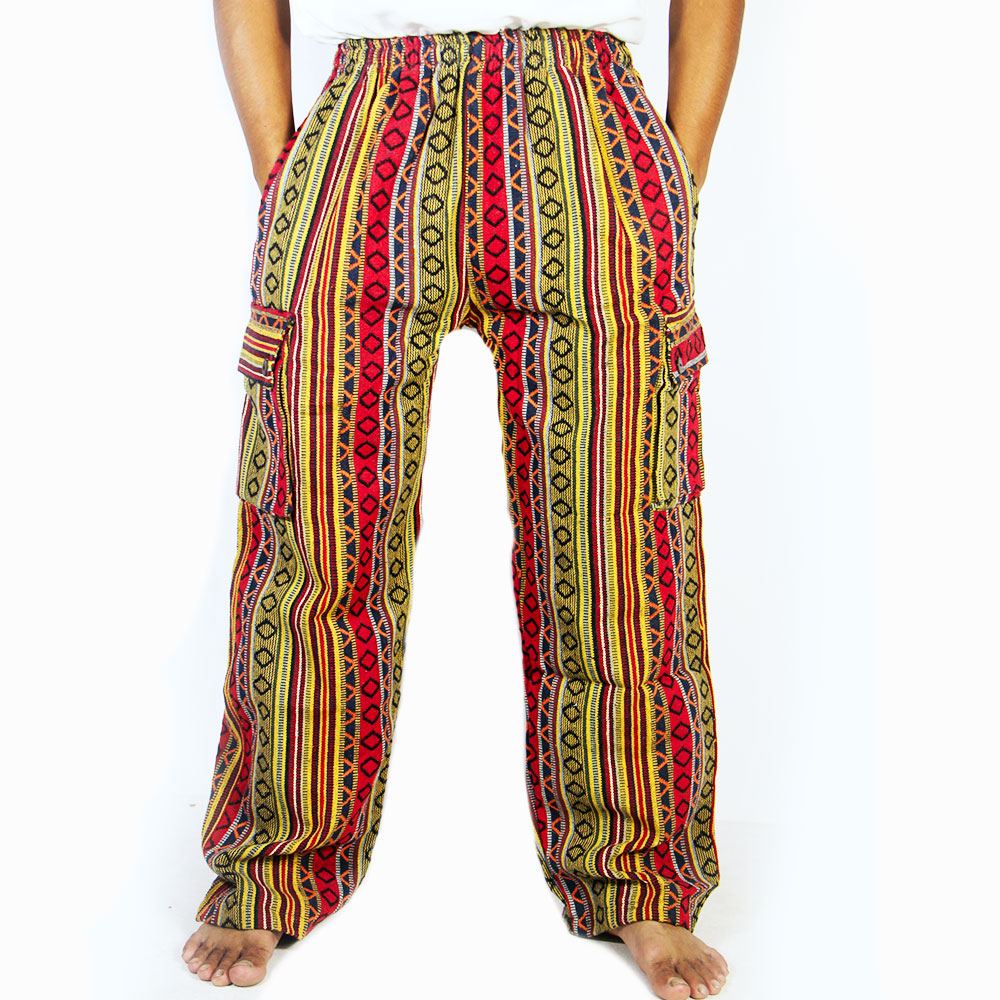
Comfort is everything in hippie fashion.
Harem Pants
-
Loose fit
-
Drop crotch
-
Lightweight and comfortable
-
Suitable for yoga, meditation, music festivals
Patchwork Pants
Nepal is famous for these:
-
Handmade from cotton or mixed fabrics
-
Vibrant multi-color designs
-
Artistic raw-hem finishing
Cargo / Utility Hippie Pants
Perfect for trekking, travel, and daily use:
-
Multiple pockets
-
Durable fabric
-
Earthy natural colors
Hemp Pants
Eco-friendly and stylish:
-
Breathable
-
Extremely durable
-
Ideal for summer and outdoor adventures
3.3 Hippie Jackets and Hoodies

For colder weather, Nepal produces some of the best boho-style outerwear in the world.
Cotton Patchwork Jackets
-
Handcrafted
-
Artistic patterns
-
Warm fleece lining optional
-
Great for light winters
Baja / Mexican Hoodies
A global hippie favorite:
-
Thick woven cotton
-
Relaxed fit
-
Striped or tribal designs
Woolen Jackets
Made from Himalayan wool:
-
Very warm
-
Handmade
-
Durable
-
Perfect for winter and mountain climates
Hemp Jackets
Eco-friendly, breathable, and stylish:
-
Rustic look
-
Natural, earthy colors
-
Long-lasting fabric
3.4 Accessories to Complete the Hippie Look
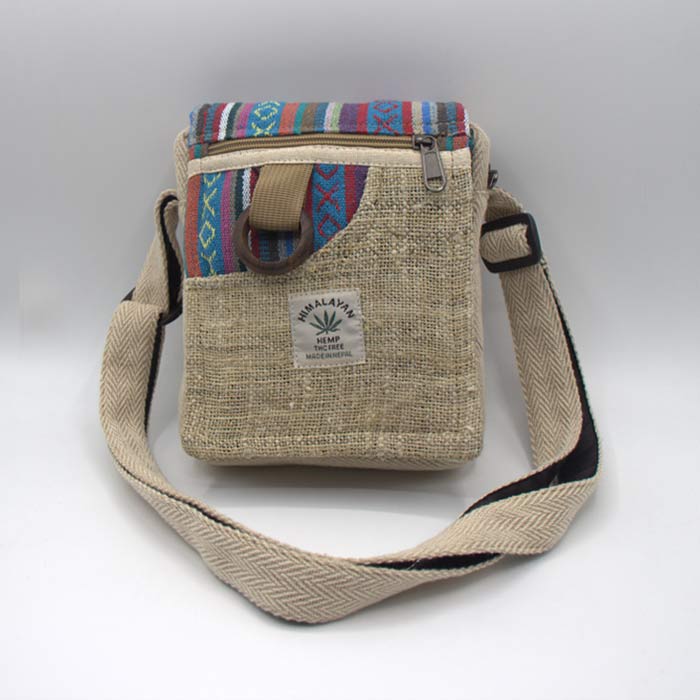
Accessories make any outfit stand out.
Hemp Bags & Backpacks
Nepal is known for hemp craftsmanship:
-
Eco-friendly
-
Durable
-
Perfect for travel, college, festivals
Woolen Caps, Scarves, Gloves
Hand-knitted in Himalayan villages:
-
Warm
-
Soft
-
Ethically crafted
Beaded and Tribal Jewelry
Often made from:
-
Wood
-
Bone
-
Stone
-
Brass
Accessories allow men to express individuality and complete the boho vibe.
4. Best Fabrics Used in Nepali Hippie Clothing
Nepal’s hippie clothes are special because they rely on natural materials.
100% Cotton
-
Soft and breathable
-
Ideal for tropical or warm climates
-
Absorbs sweat naturally
Hemp
A signature Himalayan fiber:
-
Eco-friendly
-
Antibacterial
-
Biodegradable
-
Highly durable
Wool
Perfect for winter or mountain wear:
-
Warm
-
Moisture-wicking
-
Natural insulator
Handwoven Blends
Small workshops in Nepal often blend:
-
Cotton + hemp
-
Wool + cotton
-
Hand-dyed woven fabrics
Each blend results in unique textures that are visually appealing and comfortable.
5. Colors, Patterns & Themes in Men’s Hippie Clothing
Bohemian fashion celebrates self-expression.
Popular Color Palettes
-
Earth tones (brown, olive, beige, mustard)
-
Multicolor patchwork
-
Rainbow tie-dye
-
Warm festival tones (red, orange, green)
-
Minimal neutrals for modern boho
Common Patterns
-
Mandala art
-
Tribal prints
-
Geometric patchwork
-
Ethnic stripes (often handwoven)
-
Floral bohemian prints
These elements bring artistic character to the garments.
6. How to Style Men’s Hippie Clothing (Expanded Guide)
Here are expanded outfit ideas to help customers mix and match items from your store.
6.1 Casual Daily Wear
A simple, relaxed outfit:
-
Cotton hippie shirt
-
Solid wide-leg cotton pants
-
Lightweight scarf
-
Ethnic handmade necklace
Perfect for home, café visits, casual outings, or summer travel.
6.2 Festival / Music / Travel Look
Make it bold and expressive:
-
Tie-dye shirt or patchwork hoodie
-
Patchwork pants
-
Hemp backpack
-
Beaded bracelets or boho jewelry
This look is ideal for travelers, students, backpackers, and festival-goers.
6.3 Yoga & Meditation Look
Focused on comfort:
-
Loose mandarin collar shirt
-
Harem or yoga pants
-
Light cotton shawl
Spiritual and minimalistic.
6.4 Winter Boho Look
Stay warm and stylish:
-
Woolen or hemp jacket
-
Cotton inner shirt
-
Woolen hat and gloves
-
Himalayan scarf
Great for Himalayan climates or cold winters abroad.
6.5 Urban Bohemian Fusion
For subtle hippie vibes:
-
Solid cotton shirt
-
Neutral trousers or jeans
-
Hemp messenger bag
-
Minimalist jewelry
Perfect for city wear.
7. Why Choose Handmade Nepali Hippie Clothes?
Nepali hippie clothing is valued worldwide for:
7.1 Sustainability
Using natural fibers reduces pollution and supports eco-friendly fashion.
7.2 Ethical Fair-Trade Production
Local artisans earn fair wages, preserving traditional craftsmanship.
7.3 Unique Designs
Each piece has its own identity, not mass-produced duplicates.
7.4 Comfortable & Versatile
Hippie clothes adapt to:
-
Travel
-
Meditation
-
Yoga
-
Festivals
-
Daily casual wear
7.5 Cultural Heritage
Customers wear a piece of Himalayan culture, spirituality, and history.
8. Why Clothing in Nepal Is a Trusted Source for Hippie Clothing
Your website reflects the heart of Nepali craftsmanship:
• Direct-from-manufacturer pricing
Affordable prices because you produce locally.
• Artisan-made products
Supporting traditional Nepali craft communities.
• High-quality fabrics
Cotton, hemp, wool, sustainably sourced.
• Unique designs
Your patchwork, tie-dye, and handmade collections set you apart.
• International shipping
Reaching a global market that loves boho fashion.
• Wholesale availability
Perfect for boutiques, festival stores, and retailers abroad.
Final Thoughts
Hippie clothing for men is more than a trend, it’s a timeless lifestyle rooted in freedom, creativity, sustainability, and cultural expression. With Nepal’s rich heritage in handmade textiles and eco-friendly materials, shoppers can enjoy clothing that is comfortable, artistic, and meaningful.
Through Clothing in Nepal, men around the world can experience authentic Himalayan craftsmanship, from patchwork pants to tie-dye shirts, hemp bags to woolen jackets, each piece carrying a story and a soul.
