Hippie Clothing
Kid Hippie Clothing: The Ultimate Guide to Boho, Colorful & Eco-Friendly Fashion for Children
Dec
The world of children’s fashion is evolving faster than ever, and one trend that continues to win the hearts of parents worldwide is kid hippie clothing. This charming bohemian style blends freedom, comfort, handmade artistry, and a deep connection to nature, making it perfect for expressive, energetic, and free-spirited kids.
While adults have appreciated boho fashion for decades, today’s parents are choosing hippie clothing for their children because it reflects creativity, sustainability, individuality, and emotional well-being.
In this complete guide, we explore everything you need to know about kid hippie clothing, its origins, benefits, materials, craftsmanship, styling ideas, buying tips, and why Nepal has become the global center for authentic hippie kidswear, with brands like Clothing in Nepal leading the way.
What Is Kid Hippie Clothing?
Kid hippie clothing is a playful adaptation of the 1960s–70s bohemian movement, a cultural era that celebrated peace, nature, love, art, and self-expression. When brought into children’s fashion, these values transform into adorable, colorful, and meaningful clothing.
Key Elements of Hippie Kidswear
-
Loose, breathable silhouettes for full freedom of movement
-
Bright, cheerful colors including rainbow tie-dye, patchwork, and earthy tones
-
Natural fabrics like handwoven cotton, hemp, bamboo, wool, and linen
-
Bohemian prints such as elephants, mandalas, sun symbols, tribal patterns, and floral designs
-
Handcrafted touches including embroidery, crochet work, tassels, hand-stitching, and appliqué
-
Eco-conscious production, often using natural dyes and artisan-made techniques
Hippie clothing for kids isn’t just a fashion choice, it’s a lifestyle that encourages creativity, connection to nature, cultural appreciation, and joyful self-expression.
Why Hippie Clothing Is Perfect for Kids (Expanded)
Many fashion trends come and go, but hippie clothing remains special for kids because it offers both practicality and emotional comfort. Here’s a more detailed look at why parents around the world adore this style:
1. Comfort That Supports Active Play
Children spend most of their day moving, running, climbing, playing, dancing, or simply exploring. Hippie clothing is made with soft fabrics that do not irritate the skin. The loose fit prevents tightness around the waist, arms, or thighs.
This makes it:
-
Perfect for school
-
Ideal for long outings
-
Suitable for outdoor play
-
Great for travel and vacations
Parents love that their kids feel free and unrestricted in every movement.
2. Encourages Imagination and Expression
Hippie clothing is visually stunning. The spark of creativity in:
-
rainbow tie-dye patterns
-
multicolor patchwork
-
handmade embroidery
-
nature-inspired prints
… inspires children to express themselves. Clothing becomes a form of art, allowing kids to feel unique rather than following mass-produced fashion.
3. Eco-Friendly & Ethical Fashion
Today’s parents are more eco-conscious than ever. Hippie clothing is typically made using:
-
organic or natural fibers
-
sustainable dyeing methods
-
fair-wage handmade production
This reduces chemical exposure for children and helps support traditional artisans around the world. Choosing hippie fashion means choosing ethical fashion.
4. Breathable & Skin-Friendly
Children have sensitive skin. Natural materials like cotton, hemp, and bamboo avoid:
-
itching
-
allergies
-
rashes
-
overheating
Breathability ensures children remain cool in summer and warm in winter.
5. Durable and Long-Lasting
Handcrafted children’s clothing, especially from Nepal, is made with double stitching and strong natural fibers. These clothes withstand:
-
frequent washing
-
rough play
-
outdoor activities
Many parents pass them down to younger siblings.
6. Gender-Neutral Designs
Many hippie clothes are unisex, harem pants, tie-dye tees, patchwork jackets, and free-size tops can be worn by both boys and girls.
Popular Types of Hippie Clothing for Kids (Much More Detailed)
The world of kid hippie clothing is incredibly diverse. Here is a deeper breakdown of the most popular categories:
1. Tie-Dye T-Shirts
Tie-dye is the heart of hippie fashion. For kids, tie-dye comes in swirling rainbow patterns, sunbursts, spirals, heart shapes, and more.
Why kids love them:
-
Playful colors
-
Every piece is unique
-
Soft, breathable cotton
Great for:
School, playdates, family outings, festivals, and beach days.
2. Patchwork Pants & Shorts
Patchwork clothing is a masterpiece of creativity. Each patch is carefully stitched together using leftover fabric pieces, making the garments eco-friendly and original.
Features:
-
Elastic waist for comfort
-
Baggy or harem fit
-
Soft cotton or hemp fabric
Perfect for:
Travel, outdoor adventures, or simply relaxing at home.
3. Bohemian Dresses & Skirts
Girls love flowy hippie dresses made with handcrafted prints and natural fabrics.
Styles include:
-
Ruffle dresses
-
Tie-dye maxi dresses
-
Mandala print skirts
-
Patchwork sundresses
These outfits are dreamy, colorful, and playful.
4. Harem / Aladdin Pants
These pants have a low crotch and wide leg room, making them ideal for toddlers and active kids.
Benefits:
-
Maximum mobility
-
Extra comfort
-
Breathable fabrics
They pair well with tank tops, tees, and light jackets.
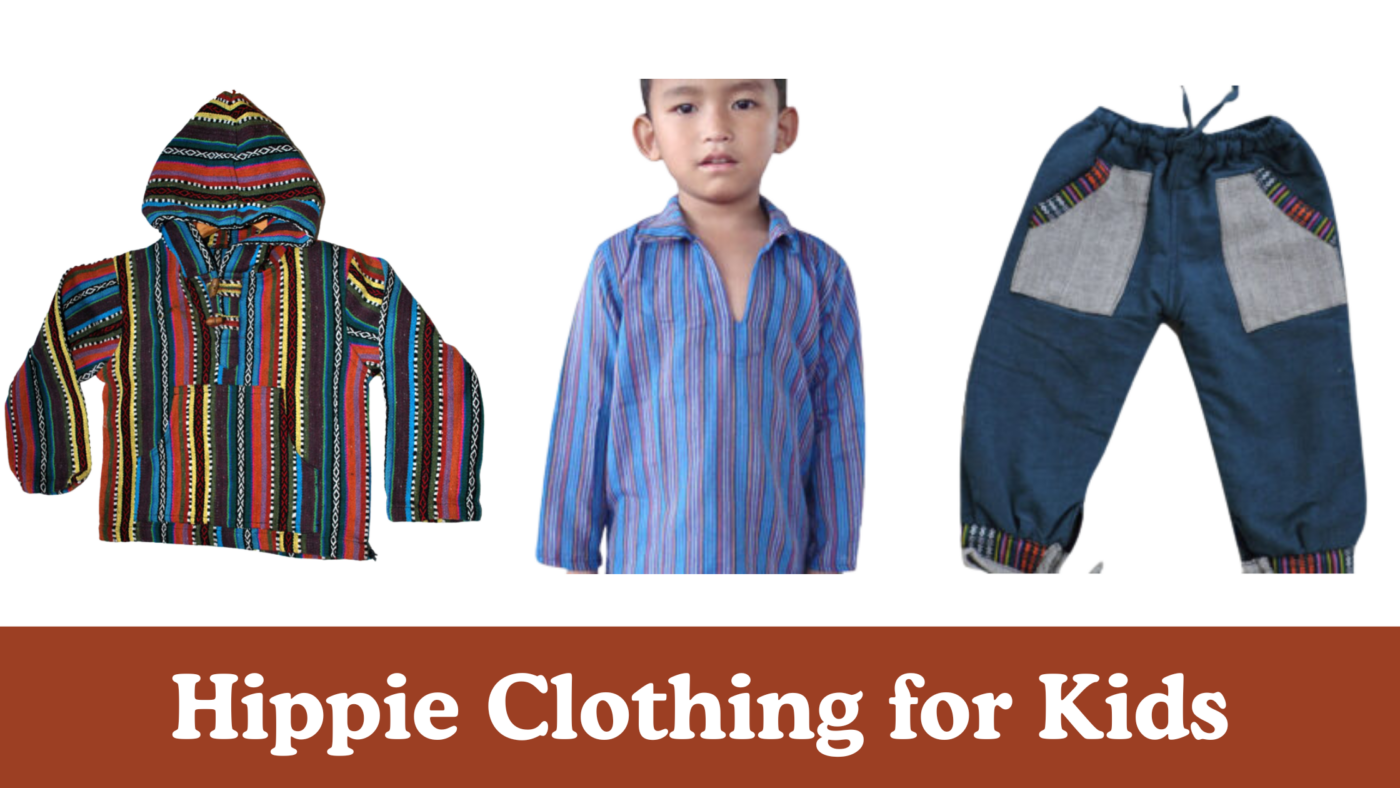
5. Ethnic Hoodies & Jackets
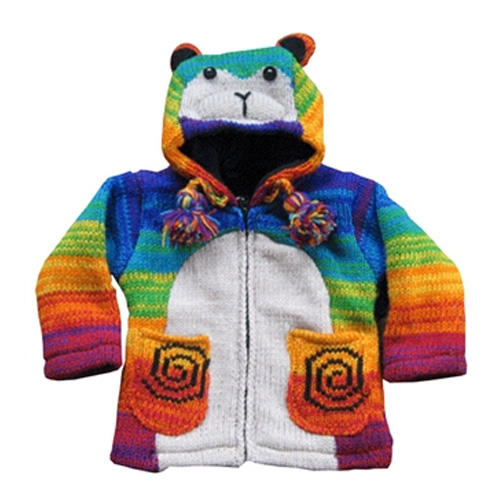
For colder months, hippie jackets and hoodies add warmth along with unique boho charm.
Common patterns:
-
Tribal motifs
-
Elephant prints
-
Om symbols
-
Mandala art
Many are fleece-lined, making them both stylish and functional.
6. Handmade Accessories
No hippie outfit is complete without colorful accessories.
Popular choices include:
-
Crochet hats
-
Beaded bracelets
-
Fabric headbands
-
Mini backpacks
-
Woolen caps
These make kids feel fun, fashionable, and imaginative.
Why Nepal Is the Global Hub for Kid Hippie Clothing (Highly Expanded)
Nepal is considered one of the most authentic and trustworthy sources of hippie clothing in the world. For decades, the country has produced handmade boho-style garments that are shipped globally.
Here’s why Nepal stands out:
1. Generations of Skilled Handcraftsmanship
Nepalese artisans inherit techniques passed down through generations, such as:
-
hand knitting
-
weaving
-
tie-dye
-
crochet
-
embroidery
-
patchwork art
This heritage shines through in every garment.
2. Use of Natural & Sustainable Materials
Nepal produces a wide range of eco-friendly fibers:
-
Himalayan hemp
-
Organic cotton
-
Wool
-
Bamboo fiber
These materials ensure the clothing is durable, soft, child-friendly, and breathable.
3. Unique Bohemian Aesthetic
The designs from Nepal cannot be replicated easily because they reflect:
-
local culture
-
Himalayan art
-
spiritual influence
-
traditional patterns
This authenticity makes Nepalese hippie clothing popular among global brands and boutiques.
4. Ethical & Fair Trade Workshops
Many workshops support:
-
women artisans
-
small-scale village tailors
-
fair wages
-
good working conditions
Parents and retailers appreciate ethically sourced children’s clothing.
5. Eco-Conscious Dyeing Processes
Natural dyes derived from plants, minerals, and flowers are commonly used. These dyes:
-
reduce skin irritation
-
minimize environmental pollution
-
create earthy, long-lasting colors
How to Style Hippie Clothing for Kids (Expanded)
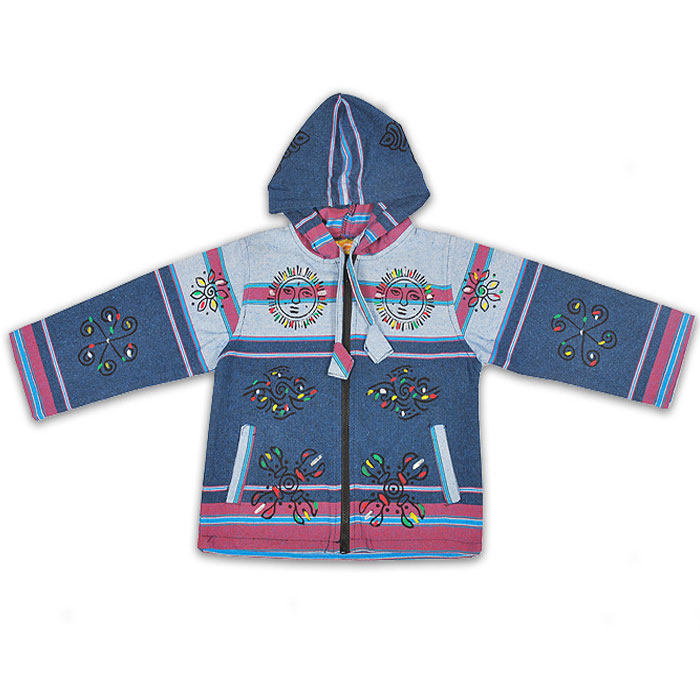
Styling hippie outfits is fun and easy because the pieces are flexible and artistic.
1. Everyday Comfort Look
-
Tie-dye T-shirt
-
Lightweight harem pants
-
Sandals or barefoot play
Great for school, home, or casual outings.
2. Bohemian Festival Outfit
-
Mandala dress or patchwork skirt
-
Crochet headband
-
Beaded bracelet
-
Sandals
Perfect for photos, family events, or outdoor festivals.
3. Cozy Winter Hippie Style
-
Woolen patchwork hoodie
-
Thick cotton trousers
-
Handmade wool cap
-
Soft shoes
This keeps kids warm while still wearing bright, cheerful colors.
4. Special Occasion / Photoshoot Outfit
Kids look adorable in:
-
rainbow dresses
-
patchwork dungarees
-
elephant printed tops
-
hand-knitted cardigans
These pieces make wonderful photos and unforgettable memories.
Why Retailers Should Sell Kid Hippie Clothing (Expanded)
If you own a boutique or online shop, hippie children’s wear is one of the most profitable niche categories.
Here’s why:
1. High Demand for Unique Handmade Clothing
Parents today want clothing that stands out, not mass-produced items. Hippie styles offer uniqueness, creativity, and emotional value.
2. Strong Appeal in Eco-Friendly Markets
Sustainable fashion is trending worldwide. Hippie clothing, especially from Nepal, fits this category perfectly.
3. High Margins & High Perceived Value
Handmade items naturally carry higher value. Customers are willing to pay more.
4. Less Competition
Most brands focus on fast fashion, leaving a gap in handmade kidswear, this is where retailers can dominate.
5. Perfect for Festivals, Gifts & Special Occasions
Boho kids’ fashion sells extremely well during:
-
holidays
-
gifting seasons
-
ethnic fairs
-
festivals
-
summer markets
How to Choose High-Quality Hippie Clothing for Kids (Expanded)
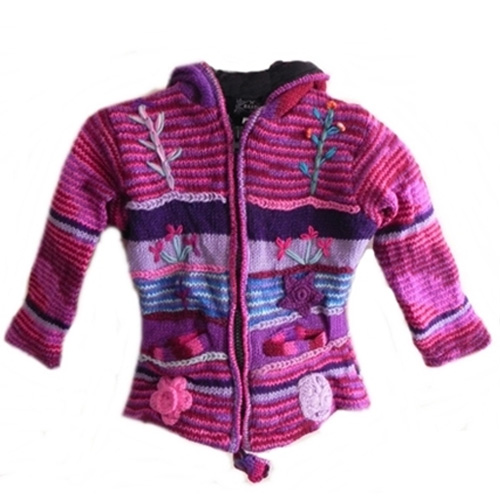
Before buying or sourcing hippie clothing, check:
1. Fabric Quality
Look for:
-
natural fibers
-
softness
-
breathability
-
hypoallergenic materials
2. Dye Safety
Natural dyes or low-impact dyes are best for kids’ clothing.
3. Stitching & Craftsmanship
Handmade clothing should have:
-
strong seams
-
double stitching
-
smooth inner linings
4. Comfort Fit
Kids need free movement elastic waistbands and loose fits are ideal.
5. Ethical Production
Ensure the workshop or supplier follows fair trade practices.
6. Unique Handmade Details
Patchwork pieces, embroidery, hand-knitting, these details add charm and value.
Conclusion: A Blend of Comfort, Joy & Sustainable Art
Kid hippie clothing represents everything parents want for their children today:
-
artistic expression
-
eco-friendly materials
-
cultural craftsmanship
-
skin-safe fabrics
-
long-lasting quality
Children love wearing it. Parents appreciate its comfort and ethics. Retailers benefit from strong demand.
And with Nepal especially brands like Clothing in Nepal, being the global hub for authentic handmade hippie clothing, this beautiful bohemian culture continues to grow worldwide.
